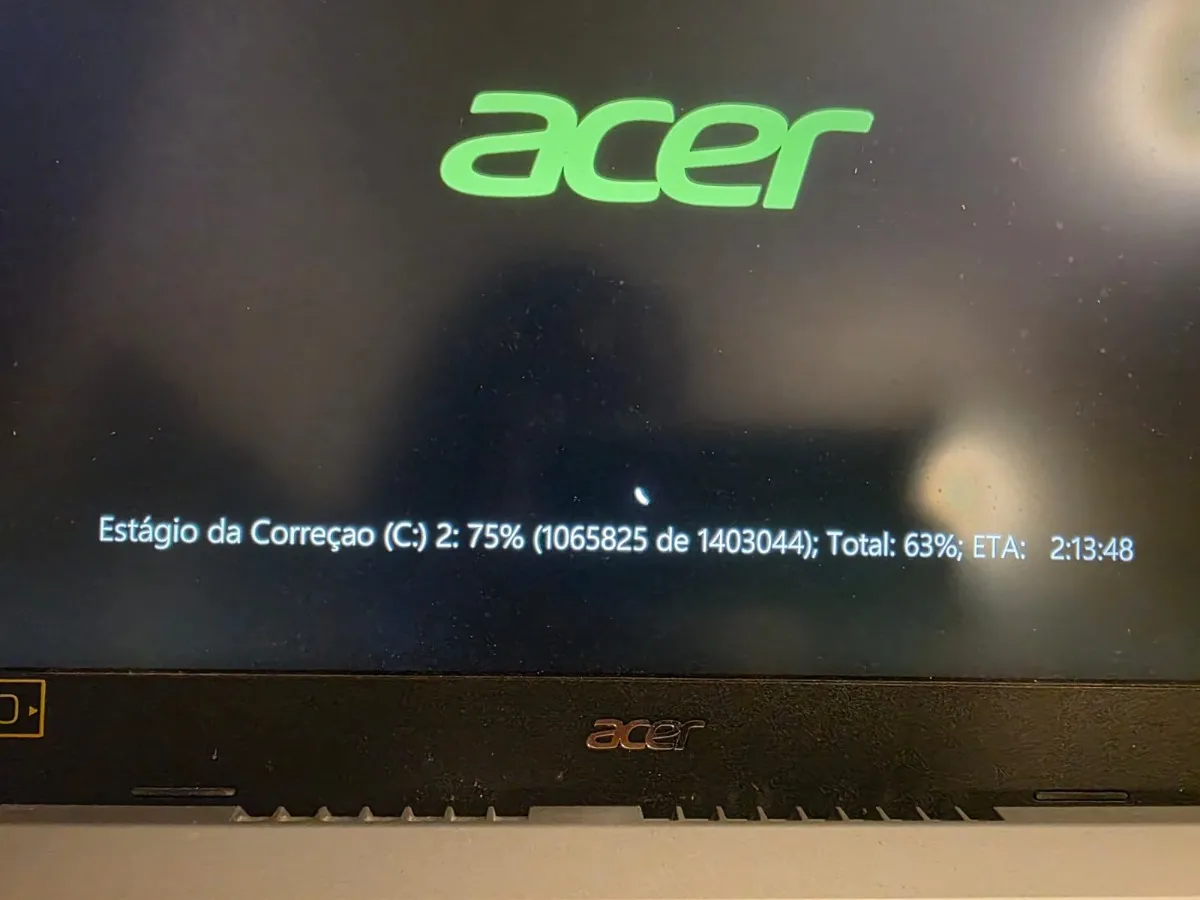
Notebook Formatting and Component Replacement.
R$120
IT Repair

Includes: 1. User Support and Assistance • Provide on-site, remote, or telephone technical support to internal and/or external users. • Register, track, and resolve technical tickets (incidents and service requests). • Guide users on the proper use of systems, software, hardware, and IT best practices. 2. Hardware Support • Diagnose and resolve faults in computers, laptops, printers, and peripherals. • Perform installation, replacement, and preventive/corrective maintenance of equipment. • Assist with assembly, configuration, and standardization of workstations. 3. Software and Systems Support • Install, configure, and update operating systems (Windows, Linux, macOS, as applicable to the environment). • Install and maintain corporate software, applications, and productivity tools. • Support users with internal systems, ERPs, web-based systems, and organization-specific applications. 4. Networks and Connectivity • Assist with configuration of local area networks (LAN), Wi-Fi, network printers, and internet access. • Identify and resolve basic connectivity and network performance issues. • Support user administration, permissions, and access management for networks and systems. 5. Information Security • Enforce security policies, including access control, passwords, and permissions. • Assist in protection against viruses, malware, and other digital threats. • Perform backup procedures and support data recovery when necessary. 6. Documentation and Processes • Document technical procedures, recurring solutions, and user manuals. • Maintain an inventory of hardware and software. • Follow and support internal standards, policies, and IT best practices. 7. Project Support and Continuous Improvement • Support projects involving system or infrastructure implementation or upgrades. • Suggest improvements to support processes and technology usage. • Collaborate with other IT areas, such as infrastructure, development, and security. - Not Included: ON-SITE SUPPORT - Additional Information:


mercadolibre
mercadolibre


